
I’ve seen it happen, the almost imperceptible shift in a player’s demeanor, a silent signal that they’re about to pounce. That’s the art of wonging, a blackjack strategy so subtle, yet so potent, that it can turn the house edge on its head. I remember one particular night in Vegas, watching a player seemingly lose hand after hand, only to vanish and reappear at another table, just as the deck turned in his favor. He was a wonger, a master of advantage play.
Wonging, at its core, is about patience and precision. It’s not about reckless gambling; it’s about calculated risk. It’s about capitalizing on favorable situations and avoiding the unfavorable ones. While the allure of easy money might draw some, I assure you, successful wonging demands skill, unwavering discipline, and a deep understanding of card counting. This isn’t a get-rich-quick scheme; it’s a chess match against the casino, one where you meticulously play each move to gain an edge.
What is Wonging?
Wonging, also known as back-counting, is a blackjack strategy named after the famous blackjack author Stanford Wong. It’s a technique where players observe a blackjack game without betting, and only join when the count becomes favorable – meaning the odds are tilted in their favor. Once the count drops, they leave the table. In essence, wonging revolves around capitalizing on positive counts and avoiding negative ones. This is a step beyond typical card counting, as that involves playing every hand and adjusting bets based on the count.
Wonging is particularly effective in multi-deck games. By waiting for the proper situation, wongers avoid exposure during negative counts, maximizing their potential wins in a shorter period. This targeted approach differentiates it from standard card counting, where players are in it for the long haul, riding out both advantageous and disadvantageous situations.
The Mathematics of Wonging
Wonging, at its heart, is all about blackjack math and exploiting the fluctuations in expected value. In simple terms, expected value represents the average outcome of a bet if you were to place it repeatedly under the same conditions. In blackjack, the expected value can swing dramatically depending on the composition of the remaining cards in the deck. When the deck is rich in high cards (tens and aces), the player’s odds improve, creating a positive expected value.
Card counters track the ratio of high to low cards using a “count.” This count is then converted to a “true count,” which adjusts for the number of decks remaining. A high true count indicates a favorable deck. But how high is high enough to start wonging?
The key lies in understanding the true count. A positive true count suggests the remaining deck has a higher proportion of high cards than usual, giving the player an edge. Professional players often look for a true count of +2 or higher before jumping into a game. This threshold ensures that the increased probability of hitting blackjack and the dealer busting outweighs the house edge. Every little advantage counts, and that’s the math secret behind wonging.

Wonging Techniques – Applying Wonging
Wonging, or back-counting, is a more aggressive blackjack strategy. It involves scouting multiple blackjack tables, keeping a mental count from afar, and only jumping into the game when the count is favorable. Implementing wonging effectively requires skill and discipline. First, visit several blackjack tables. The goal is to find games with favorable rules, like 3:2 payouts on blackjack and liberal rules on splitting and doubling. Then, without sitting down, discreetly observe each table and track the running count. There are many techniques to do it, but Hi-Lo is the easiest. It is possible, but not advisable, to use other counting systems because they are more difficult to apply with wonging. You only enter the game when the count reaches a predetermined level, signaling a statistical advantage. This entry point depends on your risk tolerance and the specific counting system you’re using. Also, it is important to define the indices to decide to sit at the table. The higher the indices, the lower the variance. For example, you can define to only sit at a table when the true count is +3 or higher. Once you enter, adjust your bets according to the count. Start with a minimum bet at neutral or slightly positive counts (+1 or +2). And increase your bet as the count rises. For example, if your base bet is $25, you might bet $25 at a +1 count, $50 at a +2 count, $75 at a +3 count, and so on. The purpose is to maximize your profits when the odds are in your favor. When you see the count drop again, leave the table to preserve value. This requires nerves of steel and a keen awareness of table dynamics. I remember one time in Las Vegas, I was wonging in and out of a $25 minimum table and made $500 in just 30 minutes. But the next day, I lost $300 in an 1 hour. So, be prepared for variance. Be aware that some casinos frown upon wonging and may ask you to stop playing if they suspect you’re back-counting. Maintaining a low profile and acting like a casual player can help mitigate this risk.
Bankroll Management for Wonging
Bankroll management is as important as card counting knowledge. Wonging involves inherent volatility, but with the correct bankroll size, it is possible to reduce the risk of ruin. Determine a suitable unit size based on your overall bankroll. A common recommendation is to have at least 1,000 units, but with wonging you should have 2,000 or 3,000 because of its volatility. This means if you have a $5,000 bankroll, your unit size should be $2.5. Never deviate from your pre-set betting spread, regardless of short-term wins or losses. Remember that wonging is a long-term strategy. There are many examples of successful wongers who started with small bankrolls and built them up over time through disciplined play and smart bankroll management. Some professional gamblers use Wonging as their only source of income. But this requires a lot of discipline, and psychological control. One last recommendation is to play in different casinos to not get recognized as a professional player.
Camouflage and Avoiding Detection
Walking into a casino with the intent to win requires more than just skill; it demands a mastery of camouflage. Casino surveillance is sophisticated, and blending in is paramount to avoiding unwanted attention. The goal is to become just another face in the crowd, an indistinguishable part of the casino’s vibrant tapestry.
One of the most common mistakes is erratic betting. A sudden jump from small to large bets, or vice-versa, shouts “advantage player!” Vary your bets, but do so subtly. Mimic the behavior of recreational gamblers. They often increase bets after a win or decrease them after a loss. Table chat is another crucial element. Engage in casual conversation with the dealer and other players. Talk about the game, compliment a lucky streak, or even feign frustration after a loss. Genuine engagement makes you appear less focused on exploiting the game.
Your overall demeanor plays a significant role. Confidence is good, but arrogance is a red flag. Be polite, respectful, and maintain a relaxed posture. Avoid excessive eye contact with the dealer or pit boss, as this can be interpreted as suspicion. Remember, you’re not trying to win an Oscar, but a convincing performance can make the difference between a profitable night and an early exit. The most effective camouflage is often the simplest: acting like you belong.
The Pros and Cons of Wonging
Wonging, a blackjack strategy involving entering and exiting games based on the count, presents a compelling, yet complex, proposition. On one hand, it offers the potential to significantly reduce risk and increase profitability. By only playing when the odds are heavily in their favor, wongers theoretically minimize losses and maximize gains. This advantage stems from avoiding negative expectation situations, a cornerstone of successful advantage play.
However, wonging is not without its drawbacks. One major challenge is the substantial time commitment required. Finding suitable games with favorable counts demands patience and diligence, often involving long periods of observation without playing. This can lead to decreased hourly earnings compared to traditional card counting methods.
Furthermore, wonging comes with a heightened risk of detection. Casinos actively monitor players for suspicious behavior, and frequently entering and leaving games can easily attract unwanted attention. If identified, wongers face the possibility of being “backed off,” meaning they are asked to leave and prohibited from playing at that casino in the future. Ethical considerations also arise, as some perceive wonging as exploiting a loophole rather than engaging in fair play.
Finally, there’s the trade-off between risk reduction and opportunity cost. While wonging minimizes risk by avoiding unfavorable situations, it also means missing out on potentially profitable hands during the waiting period. A skilled card counter might argue that playing through these less advantageous situations, while employing sound bankroll management, ultimately yields a higher overall return. Ultimately, the decision to wong depends on individual risk tolerance, bankroll size, and playing style.
Modern Wonging in a High-Tech Casino World
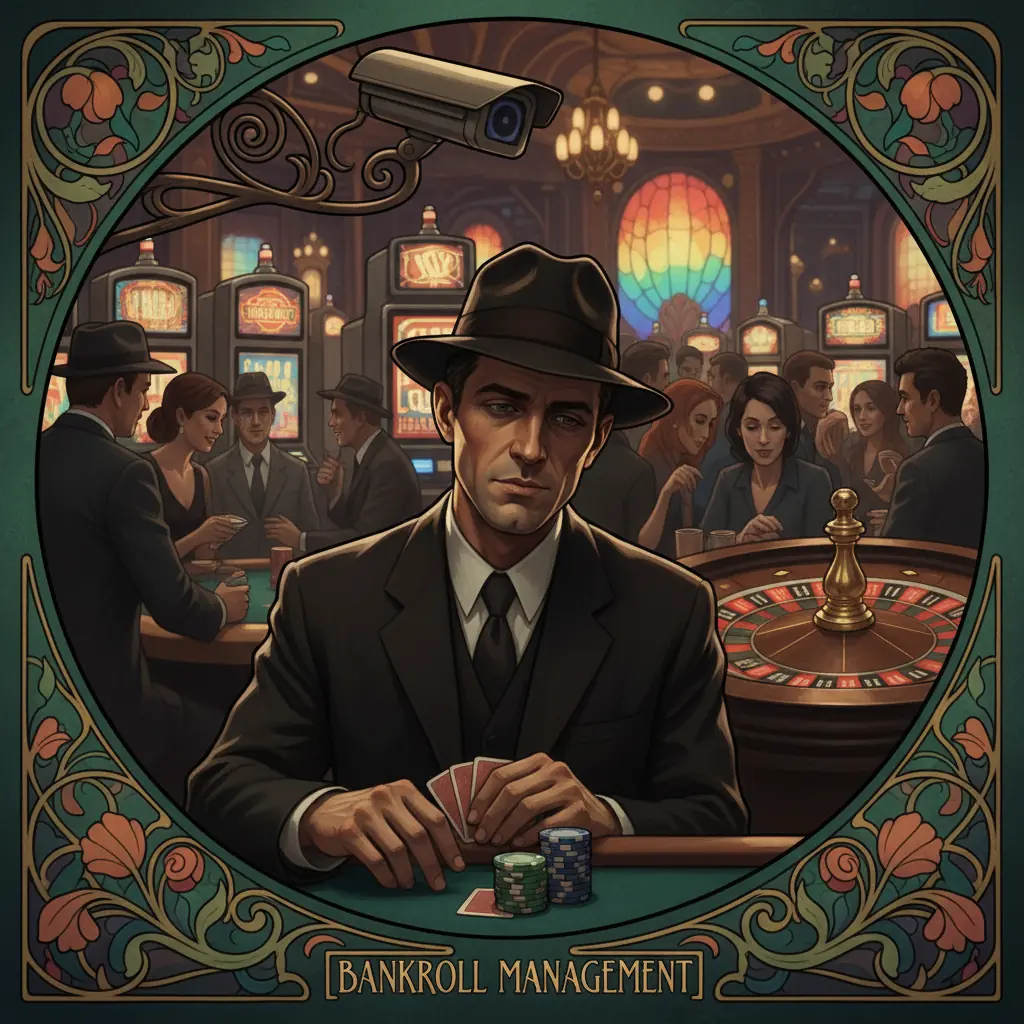
The blackjack landscape has dramatically shifted thanks to advancements in casino technology. Wonging, once a more easily executed advantage play, now faces serious challenges. Casinos now deploy sophisticated surveillance systems. High-resolution cameras are paired with facial recognition software to identify known advantage players, tracking their every move from the moment they enter the building.
Beyond enhanced surveillance, casinos actively alter blackjack rules to reduce the effectiveness of strategies like wonging. Continuous shuffle machines eliminate card counting opportunities during the entire shoe, directly impacting the card counters who rely on favorable counts to re-enter the game. Changes in penetration (the percentage of cards dealt before a shuffle) also limit wonging potential requiring players to make faster decisions.
So, what’s a wonger to do? Adapting is crucial. High-stakes wonging is becoming increasingly difficult. Subtle shifts are necessary. Players using smaller rates and shorter sessions may still find opportunities. Moreover, card counters need to disguise their skills. This includes employing less obvious betting patterns and playing multiple games to avoid suspicion. The future of wonging requires a deep understanding of casino technology and constant evolution of the right skills in response to ever-changing casino conditions.
Conclusion
In summary, mastering the art of wonging in blackjack requires dedication, discipline, and a keen understanding of the game. By combining sharp observational skills with strategic bankroll management and a commitment to continuous learning, players can significantly enhance their odds of success.
Wonging is not a guaranteed path to riches, but it offers a legitimate avenue for skilled and determined individuals to gain an advantage over the house. Always remember to approach casino play responsibly, within one’s financial means. Blackjack mastery and wonging it’s about more than just memorizing charts; it’s about adapting to ever-changing conditions and making informed decisions under pressure.
The journey to becoming a proficient wonger is ongoing. Stay informed, refine your strategies, and always be prepared to adapt to the evolving landscape of the casino world.