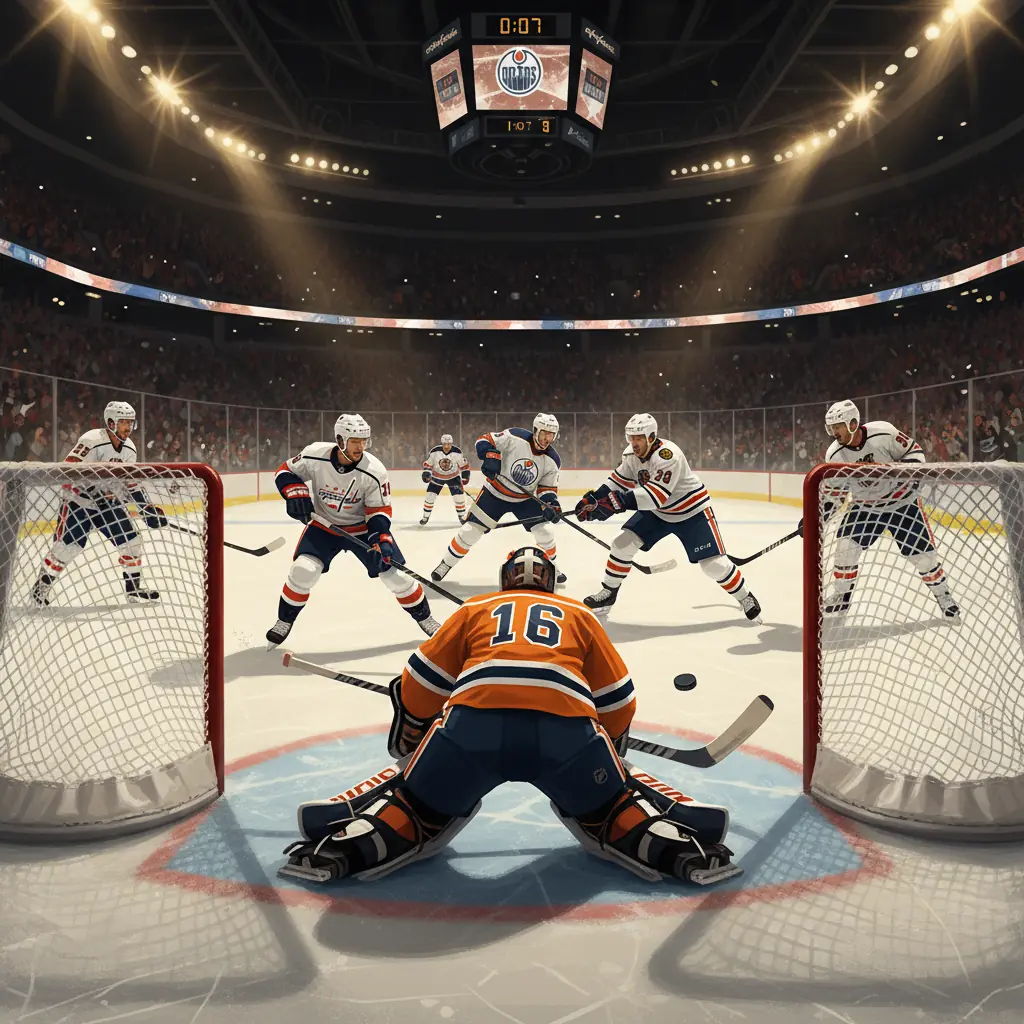
The roar of the crowd, the clock ticking down, and the score tight – the final minutes of an NHL game are pure adrenaline. I’ve seen it countless times from the stands, and even felt the pressure myself back in my playing days. It’s in these moments that you witness hockey strategy at its most intense, and one tactic stands out above the rest: the empty-net goal.
An empty-net goal happens when a team, desperate to tie the game in the last few minutes, pulls their goalie to add an extra attacker. It’s a gamble, a high-stakes move where the potential reward – a game-tying goal – is weighed against the very real risk of the opposing team scoring on the undefended net.
Coaches are increasingly relying on the empty-net strategy, making it a crucial element of late-game hockey. The ability to both score and defend against an empty-net situation can be the difference between a win and a loss, and in a league as competitive as the NHL, that difference matters more than ever.
The Anatomy of an Empty Net Goal
An empty-net goal, a dramatic climax often seen in hockey, occurs when a team trailing in the score pulls their goalie off the ice in favor of an extra attacker. This late-game situation is a high-stakes gamble, a desperate attempt to tie the game or narrow the deficit. The team benefits from an immediate offensive boost. They gain a numerical advantage on the ice, theoretically increasing their chances of scoring. By pulling the goalie for one last push, teams look to create chaos, generate scoring chances and hopefully force the puck past the opposing goalie.
This is a play of risk versus reward. The advantage of having six skaters against five can be significant, allowing for more complex passing plays and increased pressure on the opposing defense. However, the disadvantage is glaring as the net is left completely undefended, offering the opposing team an easy target if they gain possession of the puck.
They utilize their extra player by overloading one side of the ice, creating passing lanes, or setting up screens in front of the opposing goalie. While playing with six attackers provides some opportunities, it can also lead to turnovers and quick transitions the other way.
The Goalie’s Perspective
From the goalie’s perspective, the decision to leave the net isn’t made in isolation. It’s a strategic decision made collectively by the coach and the player; often discussed beforehand. Factors such as time remaining, score differential, and overall game flow weigh heavily on the decision making. Generally, there has been a mutual agreement made before. The coach needs an aggressive push, while the goalie needs to trust his teammates at winning the puck battle.
Goalies are also trained for empty-net situations. This include puck-handling skills to prevent icings, communication drills with the team and mental preparation for the high-pressure scenario. You never want to be the goalie getting scored on from your own end.

The Strategy Behind Pulling the Goalie
The Importance of Timing
The decision to pull a goalie is a high-stakes gamble, heavily influenced by the ticking clock. Coaches meticulously weigh the remaining time against the deficit on the scoreboard. The longer the time left, the greater the potential reward, but also the amplified risk if the opposing team capitalizes on the empty net. Generally, coaches tread one of two paths: pulling the goalie with ample time remaining, hoping to generate sustained offensive pressure, or waiting until the very last minute in a desperate, all-or-nothing move.
The timing is crucial, because either it provides enough time to score multiple goals, or it gives the other team a chance at an easy goal. Seeing the other team score an easy goal can devastate a team’s morale. This is usually seen when coaches wait too long to pull the team. This can cause a team to lose any steam they had left. The other way around can be much more productive, when there it feels like there’s no hope left, and the team scores a goal as soon as the goalie is pulled. This can boost morale and allow the team to make a comeback.
The All-Time Empty Net Kings
In the thrilling world of hockey, where every second counts, the empty-net goal stands as a testament to a player’s skill, composure, and opportunistic nature. These goals, scored when the opposing team pulls their goalie for an extra attacker, often seal a victory and etch a player’s name in the annals of hockey history. Several players have consistently demonstrated a knack for finding the back of the empty net, solidifying their place among the all-time greats. Names like Alex Ovechkin, with 56 empty net goals, and Wayne Gretzky, with 56 as well, lead the charge as the top empty net goal leaders. Marian Hossa showcased remarkable skill with 40 empty net goals and earned a reputation for being clutch when his team needed him.
These players weren’t just lucky; their success stemmed from a combination of exceptional shooting accuracy, unwavering composure under pressure, and an uncanny ability to anticipate the play. Their stats speak volumes about their dominance. Ovechkin’s shot power and Gretzky’s hockey IQ made them constant threats, and Hossa’s opportunistic instincts allowed him to capitalize on fleeting chances. These legends elevated the art of scoring into an empty net.
What Separates the Best?
What truly sets the empty-net goal leaders apart is their unique blend of skill and mental fortitude. It’s not just about having a powerful shot or being a fast skater; it’s about possessing the hockey IQ to read the game, anticipate the opponent’s moves, and position themselves perfectly for the scoring opportunity. Think about it – they always seem to be in the right place at the right time.
Take Alex Ovechkin. Sure, he has a lethal shot, but it’s his awareness and ability to find soft spots in the defense that allow him to exploit those empty-net situations. It’s about that quiet confidence and ability to perform under intense pressure. It’s a high-pressure moment. It’s these intangible qualities that separate the good players from the all-time empty-net kings of hockey.
The Evolving Landscape of Empty Net Goals
The empty-net goal, a dramatic punctuation mark in the final moments of a hockey game, has seen interesting shifts in frequency and impact over the years. It reflects changes in coaching strategies, player skill sets, and the overall flow of the game.
Looking at NHL trends, there’s been a noticeable fluctuation in empty-net goal occurrence. While it’s not a straightforward upward or downward trajectory, certain eras stand out. For instance, there was a peak in empty-net goals per game in the mid-2000s. The lowest was in the early 90’s.
The presence of empty-net goals influences game strategy. Coaches carefully weigh the risk of pulling their goalie. They analyze their team’s ability to maintain possession and launch attacks against a desperate opponent. These late-game decisions add an extra layer of intrigue to the sport. The trends we see in empty-net goals are a fascinating lens through which to view the evolution of NHL hockey.

Empty Net Goals: More Than Just Late-Game Desperation
Empty net goals. They’re the final nail in the coffin, the punctuation mark at the end of a hard-fought victory… or a devastating defeat. But they’re also so much more than that. They ripple through the NHL ecosystem, influencing everything from scoring races to free agency decisions, and even shaping our perception of individual player value.
Consider the pursuit of the coveted scoring title. A player padding their stats with a handful of empty netters can significantly alter the landscape. Suddenly, the player who consistently generates offense throughout the game, battling through tight checking and creating scoring chances, might be overshadowed by someone who simply happened to be on the ice when the opposing goalie was pulled. This can lead to heated debates among fans and analysts alike. Is the scoring title truly a reflection of overall offensive prowess, or simply a matter of opportunistic timing?
The impact extends beyond bragging rights. A player’s goal total, inflated by empty net tallies, directly influences their perceived value heading into free agency. General managers, armed with spreadsheets and analytics, must dissect a player’s scoring profile. How many of those goals came against a tired, desperate opponent with an empty net? How does that affect their overall worth? A savvy GM will discount those “easy” goals, focusing instead on a player’s ability to create scoring chances in high-pressure situations. However, perception matters. If the public’s perception is skewed by inflated goal totals, a player might command a higher salary than their underlying performance warrants. This can lead to overpaid contracts and ultimately hamstring a team’s long-term financial flexibility.
Then there’s the ripple effect on coaching decisions. A coach might be more inclined to deploy a certain player in late-game situations, hoping they can snag an empty net goal. This can be a calculated risk, rewarding players who have earned the coach’s trust. But it can also lead to frustration among other players who feel they are more deserving of those crucial ice time minutes. The pressure to secure those extra goals, especially in tight playoff races, can create tension within the locker room and impact team chemistry.
Personally, I’ve always viewed empty net goals with a touch of skepticism. While they certainly count, I believe they should be contextualized. A player who consistently scores in high-pressure situations, creating their own opportunities, is far more valuable than someone who simply benefits from an empty net. It’s about more than just the final score; it’s about the process, the skill, and the unwavering determination to make a difference when the game is on the line.
Conclusion
Empty-net goals are more than just late-game tallies; they are testaments to strategic decision-making, risk assessment, and a team’s ability to capitalize on high-pressure opportunities. These goals frequently decide the outcome of matches, demonstrating how crucial it is to be composed and accurate when the stakes are at their highest.
The choice to pull the goalie is a calculated gamble. Coaches weigh the potential reward of an equalizing goal against the risk of surrendering an empty-netter. This decision, and the subsequent execution by the players, adds a layer of excitement and tactical depth to the game. Empty-net goals highlight the blend of strategy and skill that make hockey so compelling.
Ultimately, the empty-net goal is a captivating element of NHL hockey. It embodies the drama, strategy, and split-second decision-making that define the sport. While some may view them as anticlimactic, they are, in fact, a crucial element of the game. They are a reminder that every second counts and that even the most dominant teams are never truly safe until the final buzzer sounds.