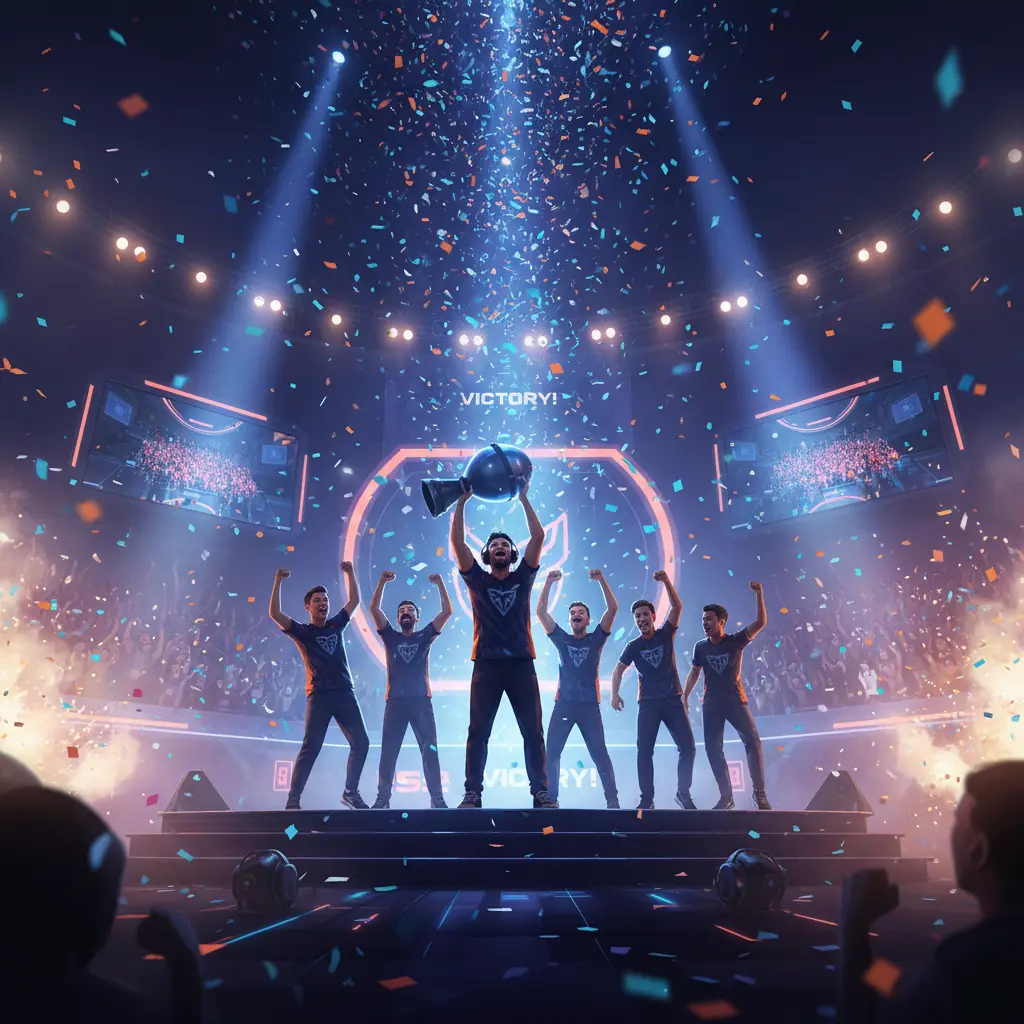
The roar of the crowd is deafening, a wave of pure energy washing over the arena as the final shot rings out. A collective gasp, then an explosion of cheers as one team collapses in exhaustion and jubilation, while the other stares into the abyss of defeat. This is the electric atmosphere of a CS2 Major, the pinnacle of competitive Counter-Strike, where legends are forged and dreams are shattered in a heartbeat. CS2 Majors are more than just tournaments, they’re cultural phenomena, drawing millions of viewers worldwide and setting the stage for unforgettable moments.
As someone who’s been on the ground, soaking in the atmosphere and analyzing the strategies at numerous Majors over the years, I’ve witnessed firsthand the evolution of this incredible esport. From underdog victories to dominant dynasties, the stories that unfold at these events are the stuff of legend. This guide is designed to give you an expert’s perspective on everything CS2 Majors, from the qualification process and the participating teams to the key storylines and the overall impact on the competitive Counter-Strike scene. But more than just a breakdown of the facts, it’s a journey into the heart of what makes these events so special, so captivating, and so utterly essential to the world of esports. Prepare to dive deep, because you are about to be on your way to understand why CS2 Majors are events you simply cannot afford to miss and how they shape the destiny of Counter-Strike.
What are CS2 Majors?
CS2 Majors, officially known as Counter-Strike 2 Majors, represent the pinnacle of competitive Counter-Strike. They are the most prestigious tournaments in the CS2 calendar, sanctioned and supported by Valve, the game’s developer. Historically, these events have shaped the landscape of professional CS:GO, and now CS2, defining eras and creating legendary moments.
What elevates a tournament to Major status? It’s a combination of factors, but Valve’s direct involvement is paramount. Valve actively supports the event, ensuring its quality and providing in-game integration for viewers. Tournament organizers like ESL and PGL bid for the opportunity to host a Major, demonstrating their ability to deliver a world-class event.
The format of a CS2 Major is rigorous. Typically, it features an initial group stage, often utilizing a Swiss system to determine which teams advance. The top teams then progress to a single-elimination playoff bracket, culminating in a grand final to decide the champion. The stakes are incredibly high, not only for the title but also for the substantial $1,250,000 prize pool and the recognition that comes with Major glory. These S-Tier events represent the ultimate proving ground for CS2 teams worldwide.
The Qualification Process: Road to the Major
The path to a Counter-Strike 2 (CS2) Major is a grueling gauntlet, a testament to skill, strategy, and sheer perseverance. Forget simply being good; teams must navigate a complex ecosystem of qualifiers, regional rankings, and high-stakes tournaments to even sniff the grand stage. The most significant element in this journey is the Valve Regional Standings (VRS) system.
Understanding the Valve Regional Standings (VRS)
The VRS is, in essence, CS2’s official ranking system, meticulously tracking team performance across various Valve-sanctioned events within their respective regions. These regions encompass North America, South America, Europe, Asia, and Oceania. Earning VRS points is the name of the game. Each victory, each deep tournament run, translates to valuable points that accumulate over time. At the end of a designated period, the teams with the highest VRS scores in each region secure coveted invites to the Regional Major Ranking (RMR) tournaments.
Regional Major Ranking (RMR) Tournaments
RMR tournaments are the final hurdle before the Major itself. These are fiercely competitive events where teams battle it out for a limited number of Major slots allocated to each region. Think of the RMRs as mini-Majors, pressure cookers where legends are forged and dreams are crushed. A strong performance at the RMR guarantees a spot at the Major, with higher finishes often translating to better seeding in the tournament’s initial stages – be it the Challengers Stage or, for the truly dominant, a direct invite to the Legends Stage.
Beyond VRS: Open Qualifiers and Partner Leagues
The VRS isn’t the only road to glory. Open qualifiers offer a lifeline for aspiring teams outside the established hierarchy. These are open-entry tournaments where anyone can compete, a true meritocracy where grassroots talent can rise through the ranks and challenge the established order. Partner leagues, such as ESL Pro League, also provide qualification pathways, rewarding consistent performance and offering another avenue for teams to reach the RMRs and, ultimately, the Major.
Key Teams and Players to Watch
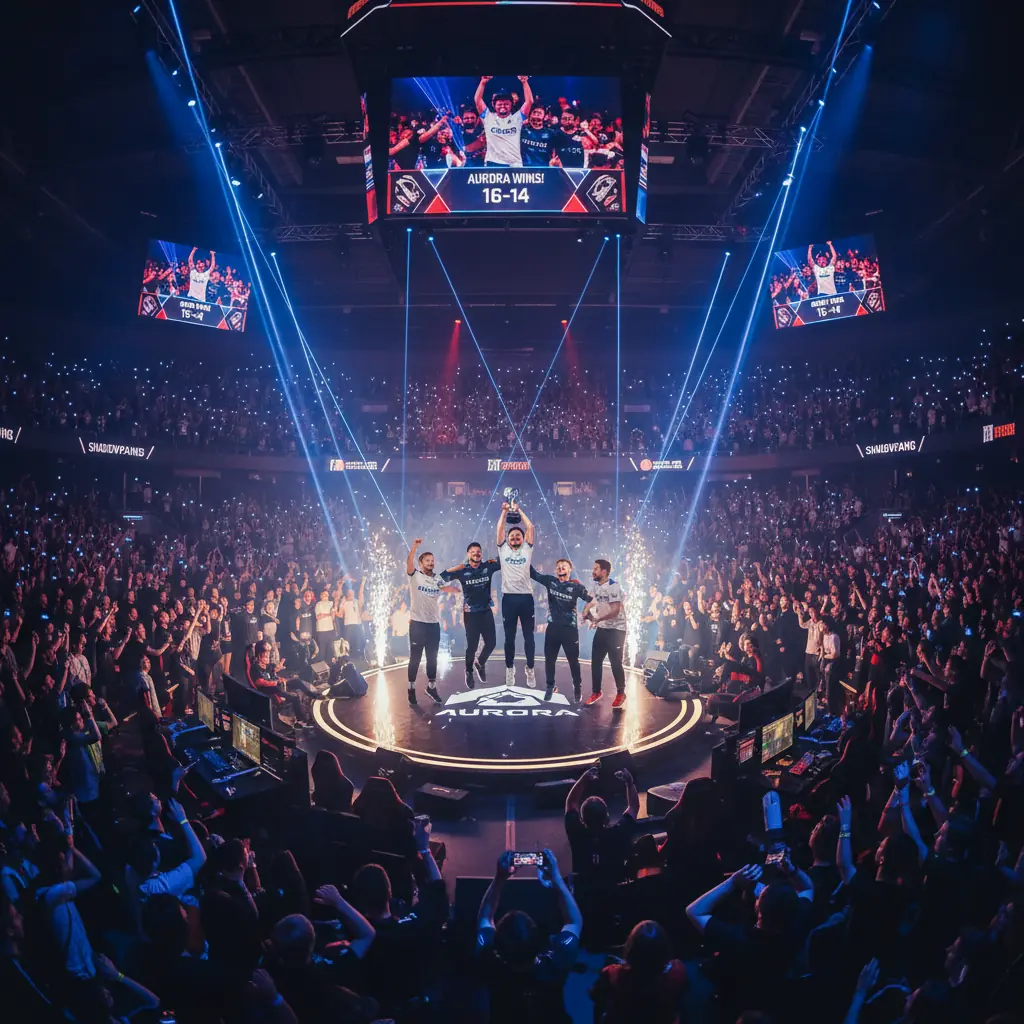
The landscape of Counter-Strike 2 is constantly evolving, but a few teams and players consistently rise to the top. When predicting who to watch, several names immediately spring to mind. Let’s take a closer look at some teams and players who can make waves.
Team Vitality: With a blend of seasoned veterans and dynamic newcomers, Team Vitality remains a force to be reckoned with. Their strategic depth and firepower make them perennial contenders, and their recent victories prove that they are not slowing down.
G2 Esports: G2 Esports constantly reinvents itself. Their aggressive playstyle and clutch performances have earned them a dedicated following. They have the potential to dominate any tournament and are definitely a team to watch.
Natus Vincere (Na’Vi): Oleksandr “s1mple” Kostyliev is one of the best players in the world. He is able to turn the tide of a match with individual brilliance. His team, Na’Vi, remain a team of consequence, and their performance is always in the spotlight.
Rising Stars: Keep an eye on young talents like Danil “donk” Kryshkovets, whose aggressive style is shaking up the scene. His rapid rise reflects the ever-changing dynamics of CS2 and how new stars can quickly emerge.
Predicting winners is never easy, but one thing is certain: the dedication, strategy, and individual brilliance on display make it a spectacle worth watching. The next big tournament is bound to bring surprises, upsets, and unforgettable moments.
Major Locations and Their Impact
CS2 Majors aren’t just tournaments; they’re cultural events, and the locations chosen by Valve play a huge role in shaping their character. Some cities have become synonymous with legendary CS:GO moments, forever etched in the memories of fans. Cologne, Germany, for example, is practically a pilgrimage site for Counter-Strike enthusiasts. ESL One Cologne has consistently delivered unforgettable matches and a roaring crowd, creating an electric atmosphere that fuels the players.
Katowice, Poland, is another staple on the Major circuit. The Spodek Arena’s imposing presence and the passion of the Polish fans make it a formidable stage. Stockholm, Sweden, a region deeply rooted in esports history, had a delayed but impactful debut as a Major host, showcasing the region’s passion. The crowd’s energy can either invigorate a team or add immense pressure, influencing performance in unexpected ways.
Recently, there’s been a deliberate push to introduce geographic diversity, with Valve taking Majors to regions like Rio de Janeiro, Brazil. Introducing new fanbases can inject fresh energy into the scene, however, it also presents challenges for teams unfamiliar with the travel, logistics, and cultural nuances. The question remains: does a true “home advantage” exist? While the support of a local crowd can be a massive boost, the added pressure can also be a double-edged sword. Ultimately, the location becomes an integral part of the Major’s narrative, shaping the experience for both players and fans alike.
Strategies and Tactics
CS2 Majors have consistently showcased a fascinating evolution of strategies and tactics, transforming the competitive landscape. Analyzing these approaches provides insight into how teams adapt and innovate at the highest level.
One enduring strategy revolves around map control. Securing key areas early in the round allows for greater flexibility in both offensive and defensive setups. Teams often employ coordinated pushes, utilizing utility such as smoke grenades and flashbangs to disrupt enemy positions and gain map dominance. Effective communication is paramount for executing these maneuvers, ensuring each player is synchronized and aware of the evolving situation.
Individual skill, while important, is magnified through tactical execution. Anti-strats, specifically designed to counter a team’s known tendencies, can swing the momentum of a match. Clever use of decoys, unexpected rotations, and aggressive flanks, can disrupt opponents and create openings. Teams with superior game vision anticipate enemy movements and react accordingly, gaining a crucial advantage.
Teamplay is the linchpin of success in CS2 Majors. A cohesive unit that communicates efficiently, trades kills effectively, and supports one another is far more likely to prevail. Adaptability is also key; teams must be able to adjust their strategies mid-match in response to their opponent’s tactics. The constant interplay between strategy, tactics, individual skill, and team chemistry makes CS2 Majors a captivating spectacle, demonstrating that victory requires more than just aiming prowess.

The Impact of Majors on the CS2 Ecosystem
A Major tournament win in CS2 isn’t just about lifting the trophy; it sends shockwaves through the entire ecosystem. The immediate impact is a massive boost to the winning team’s valuation. Suddenly, they’re not just a skilled squad, but a highly marketable brand. This translates to increased sponsorship opportunities, as companies clamor to associate with a proven champion. Think of it as a golden ticket – the bigger the win, the more brands want to get on board, resulting in lucrative deals for the team.
Player contracts are also directly affected. A Major win significantly increases a player’s market value. Agents leverage these victories to negotiate better salaries, signing bonuses, and overall contract terms. Individual performances during the Major become highlights for potential suitors, leading to bidding wars and ultimately, more financial security for the players involved.
Beyond individual teams and players, Majors inject significant investment into the entire CS2 scene. The increased viewership and media attention attract new sponsors and investors who are eager to capitalize on the growing popularity of the game. This influx of capital filters down to smaller tournaments, grassroots initiatives, and aspiring players, creating a more sustainable and thriving competitive environment. The ripple effect is undeniable – a Major win is a catalyst for growth, driving the entire CS2 ecosystem forward.
Looking Ahead: The Future of CS2 Majors
The future of CS2 Majors holds exciting possibilities, driven by Valve updates and the ever-evolving esports landscape. Tournament format changes might introduce innovative structures, shaking up the traditional bracket system we know. Geographic expansion could see Majors hosted in new and emerging esports regions, fostering a more global and inclusive competitive scene.
Imagine AR/VR spectating experiences that immerse fans in the game like never before, or enhanced fan engagement initiatives that bridge the gap between players and their supporters. The constant demand for compelling content will fuel these innovations. The future looks bright for CS2 Majors, with the events remaining cornerstones of the competitive scene!
Conclusion
CS2 Majors stand as the pinnacle of competitive Counter-Strike, showcasing the absolute best esports talent the game has to offer. More than just tournaments, they are high-stakes proving grounds where legends are forged and legacies are cemented. The intensity, the passion, and the sheer skill on display make CS2 Majors a must-watch for any fan of esports.
These tournaments encapsulate everything that makes competitive gaming so compelling: dramatic storylines, underdog victories, and moments of individual brilliance. As Counter-Strike continues to evolve, the Majors will undoubtedly remain at the heart of its vibrant and enduring community. The next chapter is already being written, and the CS2 Majors will continue to be the place where history is made.