
The Ryder Cup. The very name conjures images of roaring crowds, nail-biting putts, and the electric atmosphere of arguably golf’s most compelling team event. But strip away the pageantry, the coordinated outfits, and the boisterous camaraderie, and you arrive at the crucible: the singles matches.
Remember Justin Leonard’s improbable bomb in 1999 at Brookline? Or Colin Montgomerie burying his demons at Celtic Manor? These moments, etched in Ryder Cup lore, underscore the profound impact of individual performances under immense pressure. While team play sets the stage, singles matches are where heroes are forged, and legacies are defined.
The shift from foursomes and four-ball to singles is seismic. Suddenly, the comforting arm of a teammate is gone. It’s you, your caddy, and the weight of a nation on your shoulders. This intense, head-to-head battle isn’t just about personal glory; it’s about contributing a crucial point to the team’s ultimate quest for victory. The Ryder Cup singles matches are a unique blend of individual brilliance and team responsibility, creating a pressure cooker environment unlike anything else in golf.
Understanding the Ryder Cup Format – A Quick Recap
The Ryder Cup is a biennial golf tournament that pits a team from the United States against a team from Europe. Each team is composed of 12 players, and the competition unfolds over three days, featuring a blend of match play formats designed to test skill and strategy.
The Ryder Cup format includes three match types: Foursomes (alternate shot), Fourballs (better ball), and Singles. In Foursomes, two players from each team alternate hitting the same ball. In Fourballs, each player plays their own ball, and the lower score for each team on each hole counts. On the final day, all 12 players from each team compete in Singles matches.
The scoring system is straightforward: one point is awarded for each match won. If a match is tied, each team receives half a point. The first team to reach 14.5 points wins the Ryder Cup. If the competition ends in a 14-14 tie, the team that previously held the Ryder Cup retains it.
The Importance of Singles Matches
Singles matches at the Ryder Cup are critically important. They are often the arena where victory is forged and defeats turn into lessons. These matches represent the final act, where individual grit can either seal or undo all the hard-fought gains of the previous days. The importance of singles matches reflects their significance in determining the ultimate champion.
Historically, singles matches have been decisive in a large percentage of Ryder Cups. In numerous instances, the team trailing after the foursomes and four-ball sessions has mounted a comeback thanks to strong performances in singles. These shifts of momentum can swing dramatically, turning the tide in ways that redefine the entire competition. The singles matches are not just another set of games; they are a high-stakes showdown where legends are made, and legacies are either solidified or shattered.

Strategies for Success in Ryder Cup Singles
The Ryder Cup singles matches are a pressure cooker. Success demands more than just raw talent; it requires a meticulously crafted strategy and the mental fortitude to execute it under intense scrutiny. Mastering course management, understanding match play tactics, and cultivating a resilient mental game are the cornerstones of a winning approach. These strategies are not theoretical; they are the practical tools that can elevate a player’s performance when the stakes are at their absolute highest.
Adapting Your Game Plan
The beauty of Ryder Cup singles lies in its dynamic nature. It’s not just about playing your own game; it’s about reading your opponent and exploiting their vulnerabilities. A crucial aspect of adapting your game plan is identifying your opponent’s strengths and weaknesses early on. If they tend to struggle with long putts, apply pressure on the greens. Maybe they’re prone to hitting into the rough on a particular side of the fairway? Adjust your tee shots accordingly to force them into uncomfortable positions. This constant evaluation and adaptation are what separates good players from Ryder Cup legends. A player should enter each match with a plan, but, be ready to change it if needed during the game. The ability to stay flexible and change will be the main key to success.
When to Attack and When to Defend
Knowing when to be aggressive and when to play defensively is crucial in Ryder Cup singles. There is not something like safe strategy for the whole game. It’s a delicate balancing act that requires a keen understanding of risk management. If you’re a few holes up, playing conservatively to protect your lead can be a smart move, forcing your opponent to take risks. However, if you’re trailing, a more aggressive approach might be necessary to close the gap. Risk management isn’t just about avoiding mistakes; it’s about strategically choosing when to take calculated risks that can yield big rewards. The Ryder Cup has witnessed countless matches where a single well-timed aggressive play swung the momentum entirely. The best approach is to find opportunities rather than create them.
Psychology of Ryder Cup Singles
The Ryder Cup singles matches are a unique pressure cooker in the world of golf. Unlike the team formats that precede them, singles demand complete individual accountability. The weight of expectation, both personal and national, can be crushing. It’s a battle not just against another golfer, but against the internal demons of doubt, fear, and negativity that can derail even the most talented player. Golf psychology plays a monumental role in determining who thrives and who falters on that final, pivotal day.
Mental toughness isn’t simply about gritting your teeth and bearing down. It’s about employing specific psychological techniques to manage pressure. Visualization is a powerful tool; players often mentally rehearse successful shots and scenarios to build confidence and reduce anxiety. Positive self-talk is crucial for maintaining a resilient mindset, especially after a setback. Replacing negative thoughts with encouraging affirmations can prevent a downward spiral. Mindfulness, the practice of staying present in the moment, helps golfers avoid dwelling on past mistakes or worrying about future outcomes. By focusing on each shot, each breath, they can minimize distractions and maintain composure.
History is filled with Ryder Cup singles stories showcasing the power of a prepared mind. Remember the player who, despite a disastrous start, clawed his way back to secure a crucial point? His ability to reset after each bad shot, to focus solely on the next challenge, exemplifies mental fortitude. And what about the underdog who, fueled by self-belief and unwavering focus, upset a heavily favored opponent? These moments highlight the fact that in Ryder Cup singles, the mental game is often the deciding factor.
Controlling Emotions
Maintaining emotional control during a Ryder Cup singles match is paramount. A surge of anger after a poor shot or a wave of anxiety when facing a critical putt can significantly impair performance. Players who can regulate their emotions are better equipped to make clear decisions, execute their shots effectively, and maintain composure under pressure. Imagine a scenario where a player, visibly frustrated after finding a bunker, rushes his next shot and compounds his error. Conversely, picture a player who, despite a similar setback, takes a deep breath, refocuses, and calmly executes a successful recovery. The difference lies in their ability to manage their emotional response.
The best players often have pre-shot routines that incorporate techniques for emotional regulation. These might include deep breathing exercises, visualization, or specific trigger words designed to promote calmness and focus. By practicing these techniques consistently, players can train themselves to respond to stressful situations with greater poise and control, ultimately enhancing their chances of success.
Focusing on Your Own Game
In the intensity of a Ryder Cup singles match, it’s easy to get caught up in what your opponent is doing. However, the most successful players are those who remain focused on their own game plan and strategy. Worrying about your opponent’s performance only adds to the pressure and can lead to poor decision-making. Instead, concentrate on executing your own shots to the best of your ability, one at a time. By staying present and focused on your own game, you can minimize distractions and maximize your chances of playing well.
This focus is not selfish, but strategic. Every player on the course is trying to win, they’re improving the game in different ways. Focusing on your strategy, visualizing success and doing all is needed to be the best version you in the match. This is team work, and it’s up to you to win.
Iconic Ryder Cup Singles Moments
The Ryder Cup, a biennial contest of golfing giants, often hinges on the intensity and drama of its singles matches. These head-to-head battles have etched numerous iconic moments into Ryder Cup history, showcasing exceptional skill, unwavering resolve, and sometimes, a touch of unexpected fortune.
One such moment is the 1991 Ryder Cup, famously known as the “War by the Shore,” where Hale Irwin faced Bernhard Langer. The entire competition came down to this final match. Langer, known for his putting prowess, faced a six-foot putt on the 18th hole to secure a halved match, which would have retained the Ryder Cup for Europe. The tension was palpable. Langer missed, handing the victory to the United States, an epic individual performance that had large team implications.
Another memorable singles match came in 2012 at Medinah. The stage was set for an improbable comeback by the Europeans, dubbed the “Miracle at Medinah.” Trailing significantly on Saturday, Europe needed a strong showing in the singles matches. Ian Poulter’s inspired performance ignited the spark, but it was Martin Kaymer, facing Steve Stricker, who ultimately secured the pivotal point needed for Europe to reach the 14 points required to retain the Cup. Kaymer’s steely nerves on the 18th green, sinking a crucial putt, epitomized the spirit of the Ryder Cup and cemented his place in Ryder Cup lore. These are the moments of individual brilliance that define the Ryder Cup singles matches and contribute to the tournaments enduring legacy.
Analyzing Key Skills and Traits of Successful Singles Players
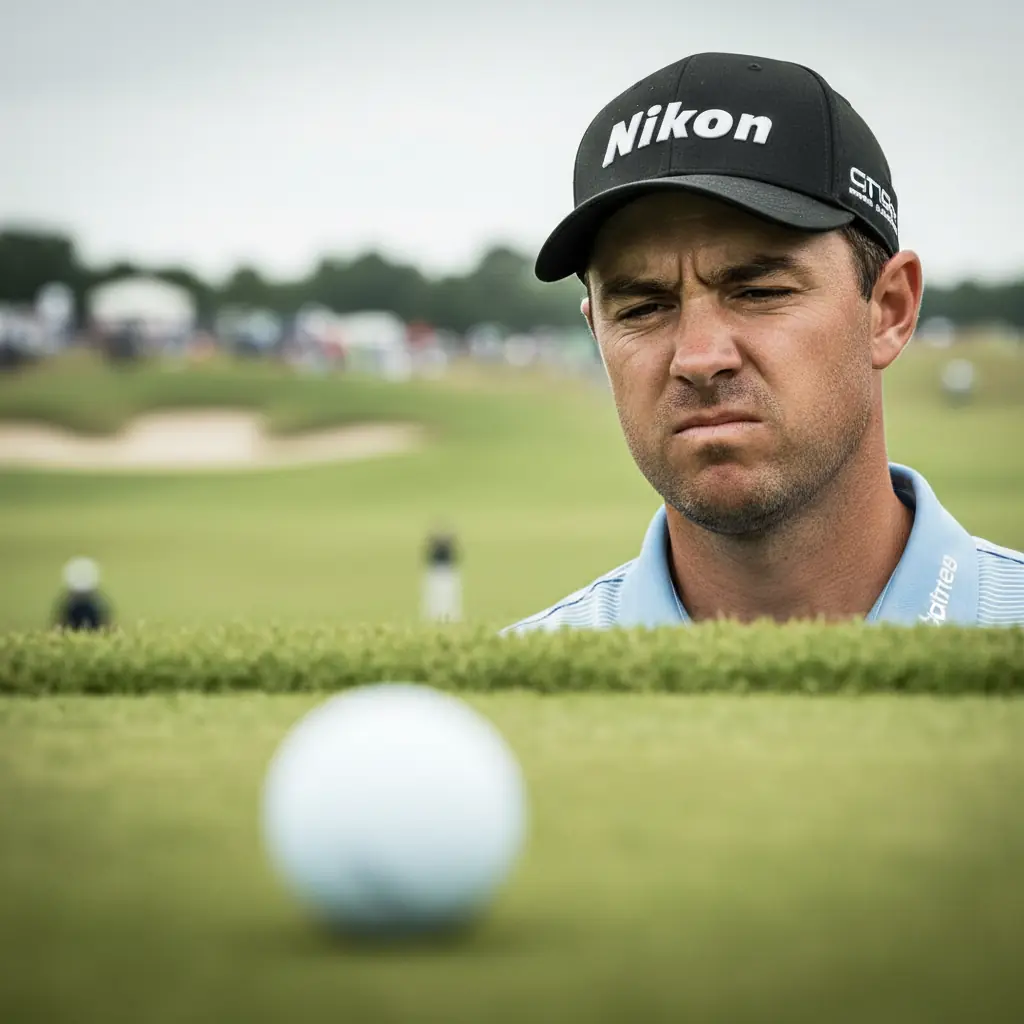
Excelling in singles demands a unique blend of technical skill, mental fortitude, and physical prowess. Dominance on the course isn’t solely about power; precision and strategic thinking are equally vital. A player’s ability to consistently execute under pressure often determines victory. Analyzing top performers reveals a mastery of shot shaping, distance control, and putting accuracy. Beyond the technical, mental toughness separates good players from great ones. The capacity to bounce back from setbacks, maintain focus, and make smart decisions in crucial moments is paramount.
Furthermore, a high level of physical conditioning is non-negotiable. Stamina, agility, and power contribute to a player’s ability to perform at their peak throughout the tournament. The best singles players demonstrate a combination of refined skills and unwavering mental and physical resilience, proving that success hinges on a holistic approach to the game.
Preparing Mind, Body and Skills for the High-Pressure Environment
The Ryder Cup isn’t just another golf tournament; it’s a crucible where skill meets intense pressure. Preparation isn’t confined to the driving range; it’s a holistic endeavor encompassing mental fortitude, physical conditioning, and strategic refinement. For aspiring Ryder Cup participants, a dedicated routine becomes the bedrock of success.
Physical preparation begins well in advance. Think targeted workouts focusing on core strength, flexibility, and explosive power. Golf-specific exercises, combined with cardiovascular training, ensures the body can withstand the rigors of the competition. A sample daily routine might include: a pre-dawn stretching and mobility session, followed by a hearty, nutritious breakfast, a focused block of swing practice, a round of golf simulating competition conditions, a post-round cool-down and strength training, and finally, a recovery-focused evening with proper hydration and sleep.
However, physical prowess is only half the battle. Mental resilience is equally crucial. Develop strategies to manage pressure, stay focused under duress, and bounce back from setbacks. Visualization techniques, mindfulness exercises, and breathing drills should be integrated into daily practice. Simulating the Ryder Cup environment during practice rounds can help desensitize players to the unique pressures they’ll face. By training both the mind and body, aspiring Ryder Cup players can equip themselves to thrive in the high-pressure environment of this iconic tournament.
Conclusion
Ryder Cup singles matches deliver a captivating blend of strategy, skill, and unwavering mental strength. The unpredictable nature of match play, combined with the weight of team responsibility, creates an unforgettable spectacle. Ultimately, success in Ryder Cup singles demands not only exceptional golfing ability but also the resilience to thrive under immense pressure. The singles matches remain a cornerstone of the Ryder Cup’s enduring appeal, a theatre of dreams where individual brilliance can ignite team glory.